
Welcome back to The Weekly Buzz, your digest of the technology news that actually matters.
The world has enough headlines. You do not need more noise; you need signal. This week, the signal is loud and clear: the market is demanding intentionality. From the Super Bowl commercial breaks to the backend of Amazon Web Services, the industry is pivoting from “growth at all costs” to “growth with integrity.”
Here is your briefing for the third week of February 2026.
1. The Super Bowl AI Backlash

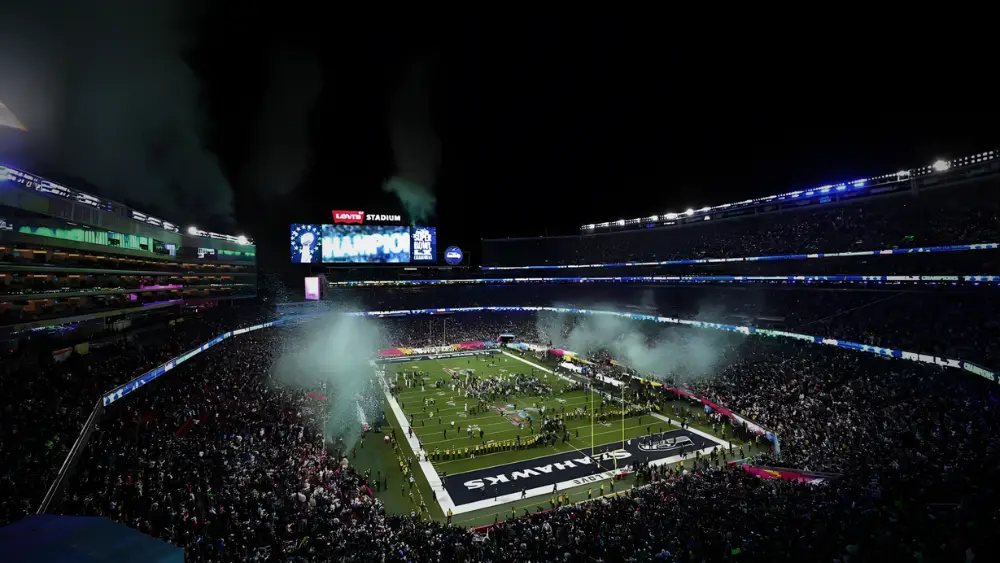
The Super Bowl is usually a showcase for tech innovation, but this year, the audience pushed back. Svedka Vodka aired an AI-generated spot that was immediately panned by viewers as “soul-less” and “uncanny”.
The rejection proves that consumers can sense when marketing lacks original creativity and emotional connection.
The Takeaway: Stop using AI to replace the creative process. Use it to amplify human insight. Brands must prioritize resonance to avoid being tuned out as cold, unoriginal tech artifacts.
2. Amazon Ring Cancels Law Enforcement Tie-In

Trust is your most fragile asset. Following intense public pressure, Amazon Ring has officially terminated its integration with the police surveillance firm Flock Safety.
The move follows a wave of criticism regarding “dystopian” decentralized surveillance networks. Consumers are actively rejecting tools that prioritize mass monitoring over personal privacy.
The Takeaway: Audit your data agreements. If your partnerships look like a liability to the public, they are a liability to your bottom line.alibrate.
3. Meta Launches “Name Tag” for Ray-Bans

While Amazon pulls back, Meta leans in. The company is launching “Name Tag,” a facial recognition feature for Ray-Ban glasses that identifies people via their social profiles.
Meta is betting that utility will eventually outweigh the “creep factor” of public biometrics. They are leveraging a “dynamic political environment” to bypass standard privacy scrutiny.
The Takeaway: Prepare your compliance roadmap now. Local privacy ordinances will likely hit your specific sector before federal regulations catch up.
4. IBM Triples “AI-Native” Hiring
The entry-level job isn’t dead. It is just different. IBM announced it is tripling junior hiring, but they are pivoting these roles toward AI oversight rather than routine tasks.
New hires will act as “conductors,” managing AI outputs and customer relationships.
The Takeaway: Cultivating this talent early is the only way to build a future-proof management pipeline.
5. Android 17 Beta: Adaptivity is Mandatory

For the developers in the Hive, take note. Android 17 Beta 1 has removed developer opt-outs for screen resizability on tablets and foldables.
Apps must now automatically fill space and respect device postures by default. The era of static annual updates is shifting toward continuous system-level enforcement.
The Takeaway: Adopt an adaptive UI strategy now to ensure functionality across diverse screen ratios.
6. AWS Launches AI Content Licensing Marketplace

Amazon is developing an AWS marketplace for publishers to license datasets to AI developers for usage-based fees.
This positions Amazon as a broker in the war over copyrighted training data. Unauthorized data scraping is transitioning into a formal utility model.
The Takeaway: If you train models, use these hubs to secure high-quality data without future legal or ethical risks.
Final Thought: Build With Intent

The era of “fast break” content has hit a wall. People are being more aware of how their data is used and how ethical applications are. Users are watching, and they are reminding us that feedback and security aren’t just features, they are the human core we nearly forgot.
True innovation in 2026 isn’t about how fast you can scale, but how deeply you can protect the trust of your users. When ethics and originality lead the way, you are finally building on ground that won’t shift beneath you.
This article was originally published as a social media series. Click here to view the original discussion on LinkedIn and join the conversation.
Building a Sustainable Company?
Burnout kills more startups than lack of capital. Explore our resources on building resilient teams and scalable processes that allow you to grow without breaking.