

Take flight into the strategic shifts defining this week’s Weekly Buzz.
The battle over reference books and gig worker data proves that data integrity is the primary currency. Success is defined by the unique, legally-cleared loops you secure. Whether you are pitching for capital on a global stage or building an autonomous commerce platform, verifiable data is your strongest asset.
Here is your strategic briefing on startup funding, algorithmic commerce, and data ownership for the fourth week of March.
1. Claim Your Global Stage: TechCrunch Battlefield 200
Image courtesy of TechCrunch
For early-stage founders looking to navigate this complex landscape, securing non-dilutive funding is crucial. Nominations for TechCrunch Startup Battlefield 200 are open through May 27. Selected founders compete for $100,000 equity-free and gain direct access to elite VCs at Disrupt 2026.
This is the premier stage for early-stage visibility and non-dilutive capital.
- The Enterprise Reality: Investors are looking for execution, not just ideas. If you have a functional MVP, this is your primary window to pitch the world’s most influential investors. Startups that partner with a professional development agency to polish their software architecture before pitching dramatically increase their odds of selection.
2. Merriam-Webster and Britannica Sue OpenAI

Image courtesy of WQXR
The legal framework surrounding generative AI is facing its toughest challenge yet. Britannica & Merriam-Webster allege OpenAI used 100,000 copyrighted articles for training without permission. They claim ChatGPT’s verbatim responses bypass their original databases.
Read the full Reuters report on the encyclopedia lawsuit.
- The Strategic Takeaway: This is a critical test for AI “fair use” in 2026. For founders, it highlights the legal necessity of securing verifiable data rights for any training dataset. You cannot build a billion-dollar enterprise on legally ambiguous data scraping.
3. DoorDash Turns Couriers into AI Trainers
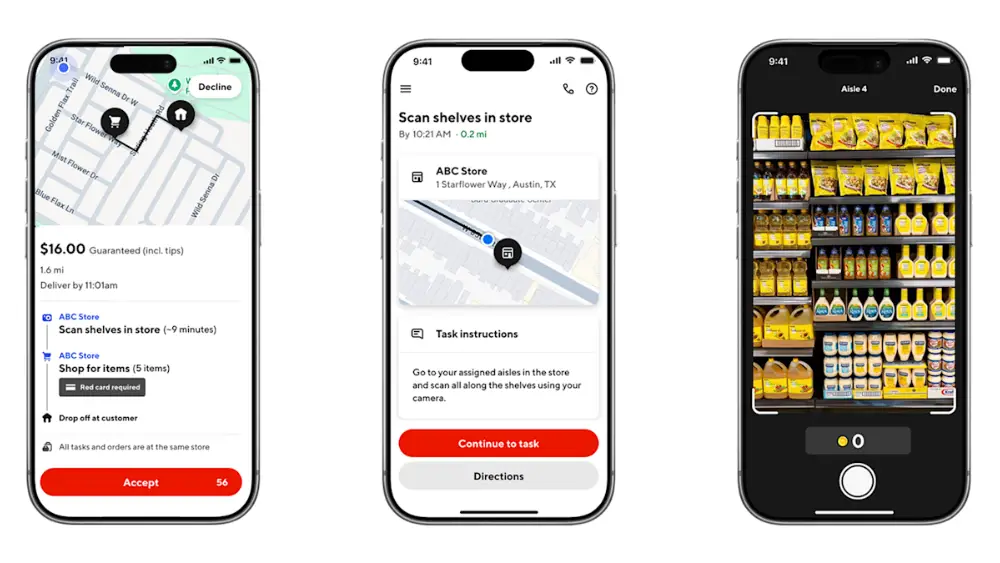
Image courtesy of DoorDash
While OpenAI fights over digital text, delivery platforms are capturing the physical world. DoorDash has launched a new initiative to gather proprietary training information.
DoorDash’s “Tasks” app pays couriers to record videos of everyday household chores like washing dishes acting as training data for LLMs and robots that might be used to perform tasks.
- Actionable Advice: The gig economy is now an essential supply chain for physical AI training data. Smart companies must leverage distributed workforces to fill data gaps that digital simulations cannot reach.
4. Shopify Prepares for Autonomous Shopping

Image courtesy of Shopify
The mechanics of online commerce are being rewritten. Shopify is shifting to “agentic shopping,” where personal AI assistants find and buy products for users. This replaces traditional search with context-aware, merit-based commerce.
- The Business Pivot: We are entering an era where AI, not humans, makes the final purchase decision. You must optimize your store for AI agents to ensure your products are the ones being surfaced and bought. This requires extremely clean metadata and structured product APIs.
5. Meta Cuts Vendor Ties for Proprietary AI

Trust and safety are moving entirely in-house. Meta is rolling out new AI systems to remove scams and illegal content with higher accuracy than humans. This reduces reliance on third-party vendors while lowering error rates.
- The Future Standard: Automation is finally outpacing manual review for platform trust. Proprietary AI can now handle high-stakes safety operations while significantly reducing operational overhead.
Protect Your Data Pipeline
Holding platforms accountable for data harvesting is the new mandate for responsible development. Prioritizing verifiable integrity over fast growth builds truly enduring ecosystems. Secure your data pipelines today to ensure your platform remains viable tomorrow.
Need to Optimize Your Software Architecture?
Stop wasting runway on commodity code and vulnerable infrastructure. Explore our full library of technical insights to learn how to build scalable, enterprise-grade software efficiently.